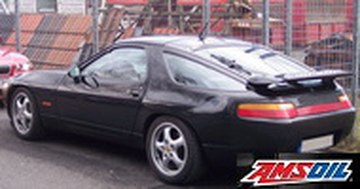
Maintaining Lubrication Integrity for the 1982 Porsche 928 4.5L
Proper engine care for a high-performance vehicle like the 1982 Porsche 928 requires a disciplined approach to fluid management and routine inspections. Because this vehicle utilizes a large 4.5L engine, maintaining the correct lubrication standards is essential for long-term mechanical health. Effective maintenance involves more than just periodic oil changes; it requires a comprehensive understanding of how fluids behave over time and how to identify subtle changes in the vehicle's operating condition.Monitoring Fluid Condition and Potential Seepage
A proactive approach to maintenance begins with regular visual inspections. For an engine of this era, observing the cleanliness of the engine bay can provide significant clues regarding its current state. Owners should look for any signs of fluid seepage around various sealing surfaces. While some minor weeping may occur as components age, any active or accumulating liquid warrants closer investigation. When performing routine checks, pay attention to the following:- The presence of fresh or darkened fluid on the underside of the engine or near various gaskets and seals.
- Any evidence of residue that might suggest a slow leak from a connection or housing.
- Changes in the appearance of the oil itself, such as unusual discoloration or a change in texture.
Managing Long-Term Engine Health and Documentation
For owners of a 1982 Porsche 928, establishing a clear maintenance baseline is one of the most effective ways to manage the vehicle's longevity. If you have recently acquired this vehicle and do not have access to a complete service history, your first priority should be to document its current condition. This includes recording the dates and details of all recent fluid changes, filter replacements, and any repairs performed. Maintaining detailed records allows you to:- Track the frequency of necessary services based on actual usage.
- Identify patterns in fluid consumption or component wear.
- Distinguish between routine maintenance needs and unexpected mechanical developments.
- Provide a verifiable history for future service providers or potential buyers.
Observing Potential Operational Changes
Beyond visual inspections, an owner should remain attentive to how the engine behaves during operation. Subtle changes in performance or sound can often be early indicators that a maintenance task is required. It is important to remember that many symptoms can have multiple underlying causes; therefore, a change in behavior should be viewed as a prompt for professional diagnosis rather than a definitive conclusion of a specific part failure. Watch for the following indicators:- Unusual mechanical noises that were not previously present during startup or steady-state operation.
- Changes in how the engine responds to throttle inputs.
- Any noticeable odors that may indicate fluid is contacting hot surfaces.
- The appearance of any warning indicators on the dashboard related to engine vitals.
Systematic Inspection of Aging Components
As the 1982 Porsche 928 4.5L continues its service life, certain peripheral components may require more frequent scrutiny. While many parts are designed for durability, the materials used in various systems can change over decades of thermal cycling and use. When conducting a thorough inspection, consider checking:- The condition of accessible hoses to ensure they remain pliable and free of cracks or bulging.
- The integrity of any drive belts, if equipped, looking for signs of glazing, fraying, or surface deterioration.
- The state of electrical connections and wiring harnesses to ensure they are secure and free from corrosion.
- The cleanliness of the air filtration system to ensure optimal airflow is maintained.
Effective Strategies for Engine Oil Selection
Selecting the correct lubricant is a critical decision in the maintenance of the 4.5L engine. The quality and characteristics of the oil used directly impact how well the internal components are protected under various operating loads. When evaluating different products, consider the following factors: Thermal Stability and Oxidation Resistance: High-performance engines generate significant heat. An oil that maintains its chemical stability at high temperatures is vital for preventing the formation of deposits or sludge within the engine. Deposit Control: Modern lubricant formulations are designed to keep internal surfaces clean by preventing the buildup of combustion-related residues. This helps maintain the efficiency of the lubrication system over time. Formulation Types: Depending on the specific needs of the engine, owners may choose between conventional, synthetic blends, or full synthetic oils. Some high-mileage oil formulations also contain additives intended for use in aging engines, including seal-conditioning additives that may assist in maintaining the integrity of older seals. Always prioritize matching the lubricant to the specific requirements of your application. Do not rely on general assumptions about what a vehicle from 1982 might need; instead, always refer to the technical data provided for your specific engine.Practical Guidance for Buying Engine Oil for your 1982 Porsche 928 4.5L
When you are ready to purchase new lubricant, the most important step is to ensure that the product matches the application-specific requirements of your vehicle. To avoid errors, do not attempt to guess a viscosity based on the engine size or model year. Instead, match the engine oil to the application-specific viscosity information already displayed on this webpage. Before completing your purchase, follow these practical steps:- Verify that the oil meets the appropriate API certification listed in your technical documentation.
- Check the product label carefully to confirm it aligns with the viscosity and service requirements shown above.
- If you are choosing between different types of oil, such as synthetic or high-mileage formulations, ensure they are compatible with the current condition of your engine.
- Avoid making assumptions based on the age of the vehicle; always rely on the specific data provided for this 4.5L application.